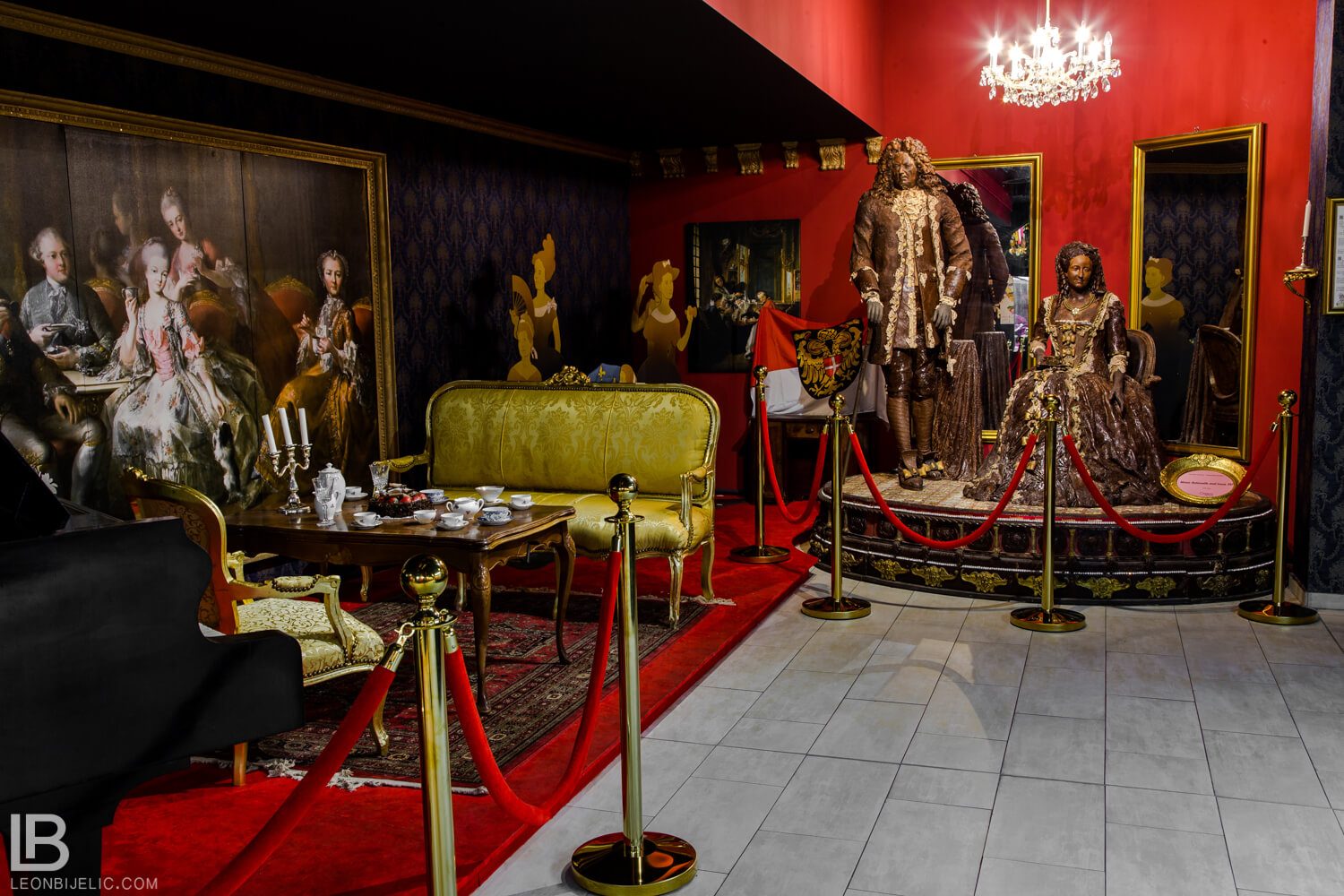
Chocolate History Room
Exhibits detail the origins of cocoa and its transition from a beverage to the modern solid chocolate bar.
Read the plaques to understand the historical trade routes.
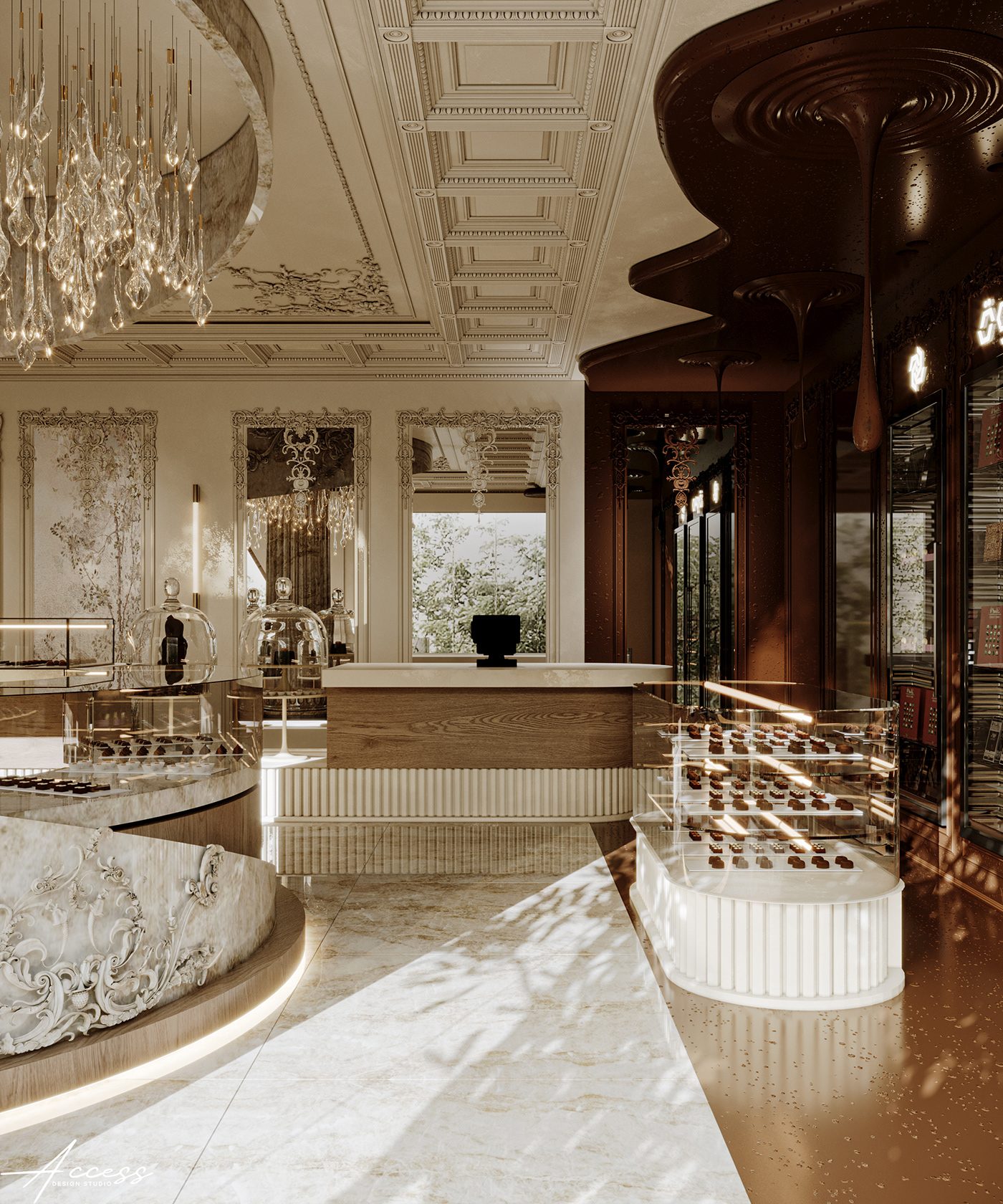
Vienna's chocolate tradition extends beyond cafés and pastry counters. At Schönbrunnerstraße 99, a working chocolate museum combines artisan production, interactive workshops, and tasting experiences that trace the craft from bean to bar.
Quick answer
The Chocolate Museum Vienna at Schönbrunnerstraße 99 showcases artisanal chocolate producers through hands-on workshops and guided tastings. Admission is 35 EUR per person and covers both museum access and workshop participation. The venue opens daily from 10:00 to 18:00, with workshops running throughout the day for visitors who arrive between 10:00 and 17:00.
Vienna produces roughly 8,000 metric tons of chocolate annually, yet fewer than a dozen workshops still temper small batches by hand. The Chocolate Museum Vienna occupies a renovated industrial space in the fifth district, where visitors watch artisans conch, mold, and finish confections using techniques refined over two centuries. The museum floor divides into three zones: a historical gallery documenting Vienna's role in European cocoa trade since the 1700s, a live production area where chocolatiers work at marble tables, and a sensory lab equipped for cupping and flavor comparison. Workshops rotate between truffle-making, bark decoration, and bean-to-bar sessions that begin with roasted nibs and end with molded tablets. Each participant tempers their own batch under supervision, learning to read the surface sheen that signals proper crystallization. Vienna's artisan chocolate shops often source single-origin beans from cooperatives in Ecuador, Madagascar, and Peru, prioritizing transparency over yield. The museum's tasting menu includes examples from each origin, paired with tasting notes that map acidity, fruit tones, and mineral finish. Chocolatiers demonstrate how roast profiles alter flavor—a lighter roast preserving berry notes in Tanzanian cacao, a longer roast drawing out the tobacco undertones of Venezuelan Criollo. The venue also functions as a retail hub for independent producers across Austria. Shelves stock bars from Zotter, Felber, and smaller workshops in Tyrol and Styria, each labeled with cacao percentage, origin farm, and harvest year. The chocolate shop vienna concept here prioritizes education over volume, with staff trained to discuss fermentation methods and conching times rather than simply process transactions. Visitors leave with both purchased goods and enough working knowledge to evaluate quality independently.
“Fewer than a dozen Viennese workshops still temper chocolate by hand, preserving techniques refined over two centuries.”
The Chocolate Museum Vienna maintains consistent operating hours throughout the week. The shop and museum are open daily to accommodate visitors.
The Chocolate Museum Vienna is located at Schönbrunnerstraße 99, 1050 Wien. Public transport provides the most direct access to the facility.
U4 line to Pilgramgasse station
Line 59A to Schönbrunner Straße/Pilgramgasse
Parking in the 5th district is restricted; use public transit
From Pilgramgasse station, follow signs for the Schönbrunner Straße exit and walk for approximately five minutes to reach the address.
The best arrival window for visitors is between 10:00–17:00. Arriving early helps avoid afternoon crowds and ensures sufficient time for workshops.
—
Visitors encounter fewer groups and enjoy a more relaxed environment for workshop activities.
Warm with temperatures near 25°C
Expect increased attendance due to peak travel season and family holiday schedules.
Mild weather averaging 12°C–18°C
These shoulder seasons offer a balanced experience with manageable visitor numbers and comfortable touring conditions.
—
Visitor volume is highest during these periods, making early arrival essential for a smooth experience.
Verdict: The most efficient time to visit is on a weekday morning during April or October.
The Chocolate Museum Vienna offers an immersive look into the history and production of cocoa through various specialized zones. Visitors move from historical displays to hands-on experiences where chocolate creation takes center stage.
Exhibits detail the origins of cocoa and its transition from a beverage to the modern solid chocolate bar.
Read the plaques to understand the historical trade routes.
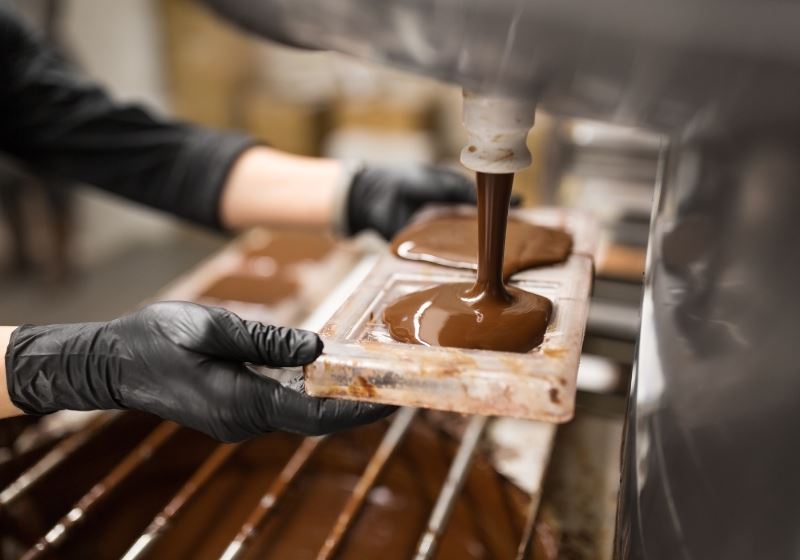
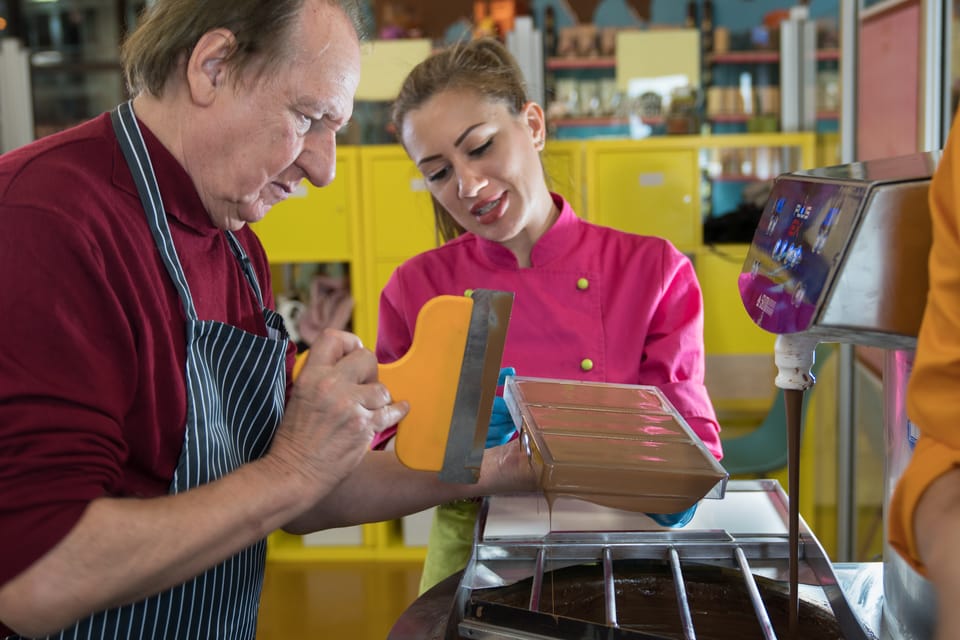
This area allows visitors to observe and participate in the creation of handcrafted chocolate products.
Watch the tempering process carefully to see the chocolate shine.
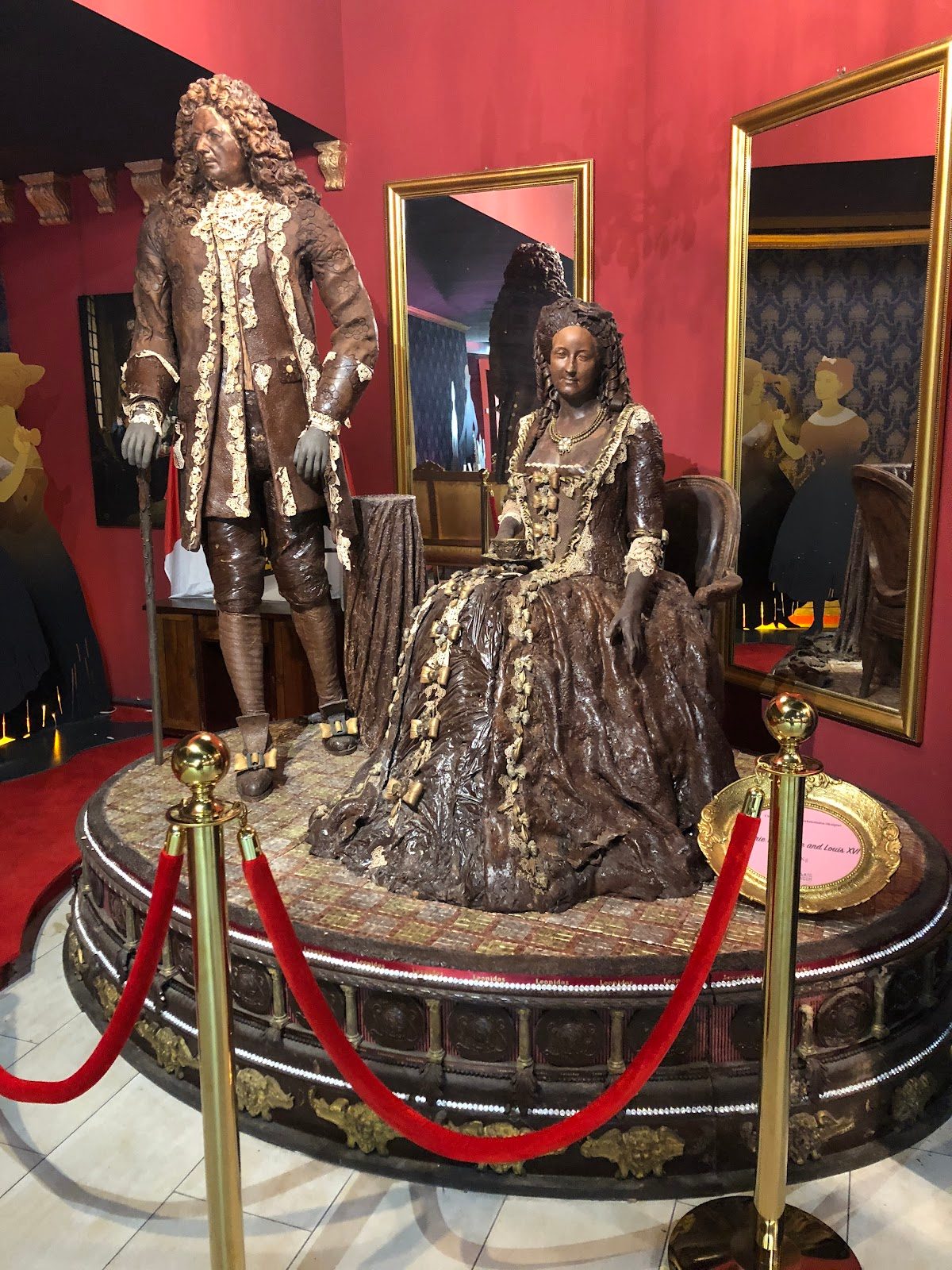
A collection of intricate figures and structures crafted entirely from tempered chocolate by master chocolatiers.
Walk slowly around the perimeter to view fine details.
This zone demonstrates the technical machinery used to roast, grind, and conch cocoa beans into refined chocolate.
Ask staff about the specific grinding duration for texture.
Everything you need to know about chocolate shop vienna
The Chocolate Museum Vienna includes a retail space, but it functions primarily as an interactive experience rather than just a traditional chocolate shop vienna. Visitors can learn about cocoa history and purchase artisanal products on-site. It is a central hub for those interested in the craft of fine confections.
The entrance fee is 35 EUR per person. This fee covers both the workshop and museum admission, providing full access to the facility's offerings.
At this chocolate workshop vienna, you can participate in hands-on sessions where you learn to work with cocoa. The experience is designed to be educational and immersive, focusing on traditional production methods. It provides a deeper look into the world of artisanal sweets than a standard retail boutique.
Yes, families are welcome to explore the exhibits and join the workshops together. It is an engaging activity for all ages interested in learning how their favorite treats are made. The interactive nature of the museum makes it a suitable stop for those traveling with children in the city.
We recommend visiting during the best arrival window of 10:00–18:00 to ensure a smooth experience. Arriving early helps avoid afternoon crowds and ensures sufficient time for workshops. This window allows you to fully enjoy the museum and artisanal displays without rushing.
You can find this attraction at Schönbrunnerstraße 99, 1050 Wien, Austria. It is easily accessible within the city, serving as a landmark for those looking to explore Viennese culinary culture and premium cocoa craftsmanship.