1 hr
Chocolate-Making Workshop at Vienna's Chocolate Museum
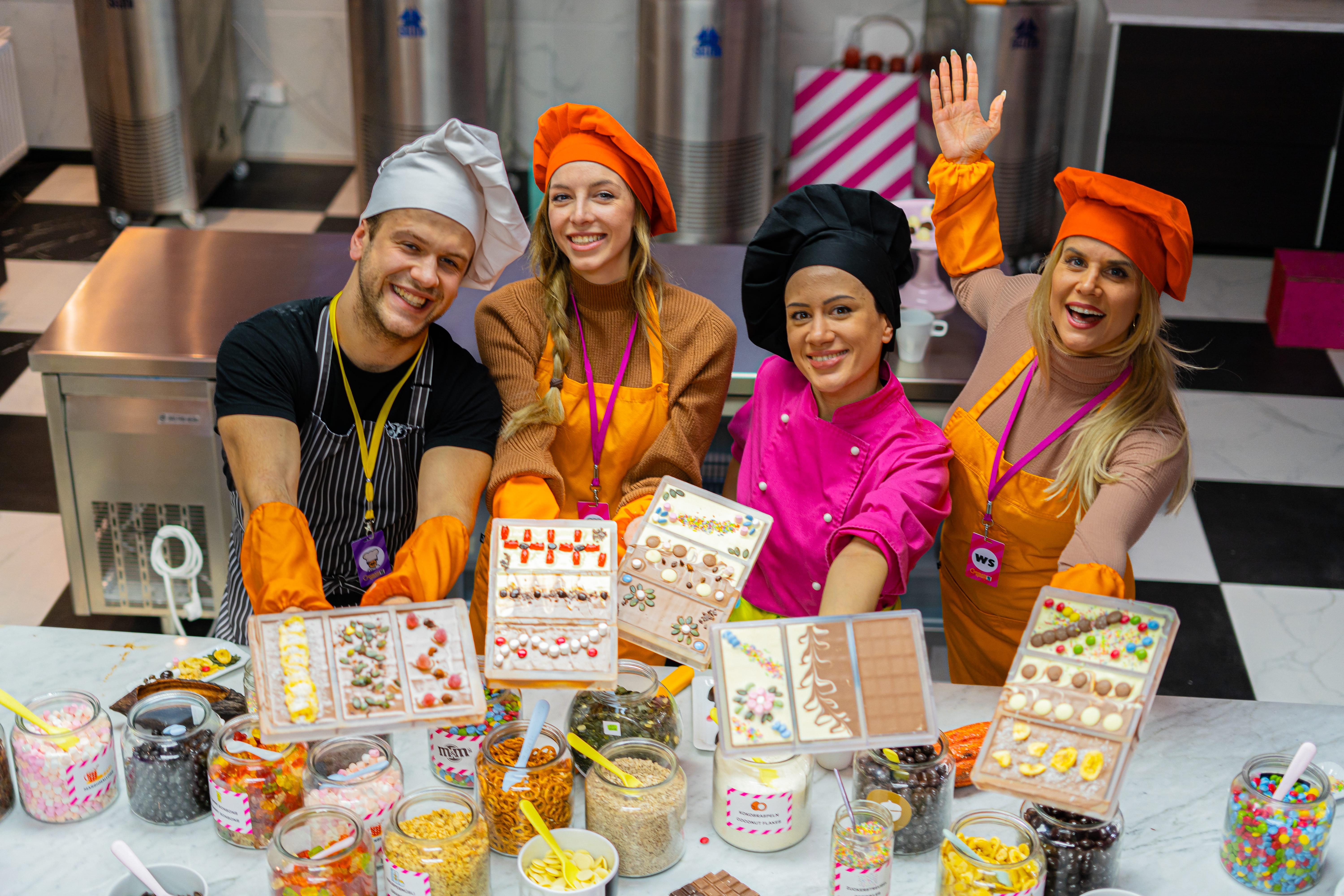
Craft three personalized chocolate bars, brew an ancient Aztec hot chocolate, and explore the museum
Reserve
Hand-picked by our editors — only the best 5 chocolate-making experiences from 18 reviewed
Verified partners for every tour, free cancellation where available, and instant confirmation on every booking.
1 hr
Craft three personalized chocolate bars, brew an ancient Aztec hot chocolate, and explore the museum
Reserve
2 hr 30 min
A 2.5-hour culinary walk through Vienna's finest coffeehouses, chocolatiers, and dessert traditions
Reserve
3 hr
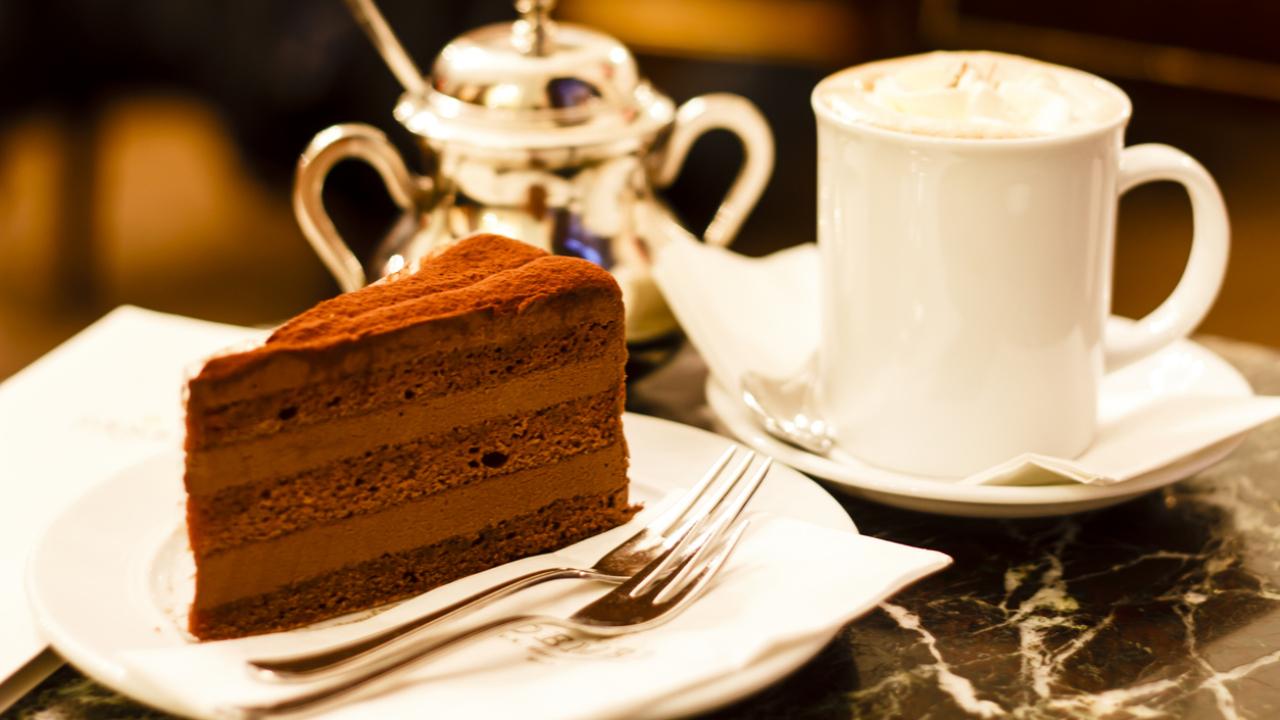
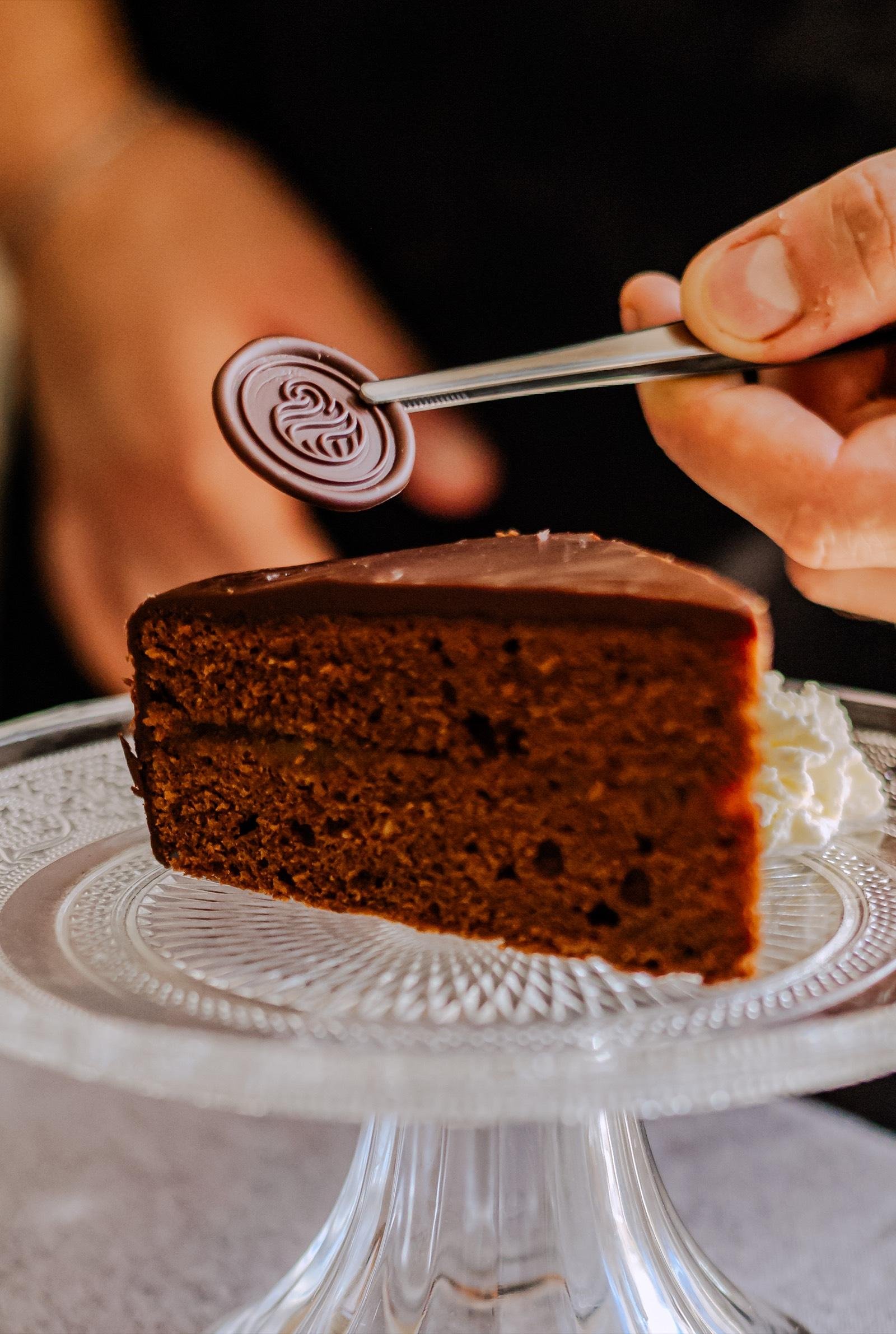
Master Austria's legendary chocolate cake in an intimate home kitchen, then savor it with local coffee
ReservePrices from verified partners. Availability updates in real time at checkout. Free cancellation policies apply where shown.
The landmarks, rooms, and views travelers on this tour remember — all visible on a single visit.
Watch the story of cocoa production and traditional techniques.
Use commercial-grade equipment to mold your own custom bars.
A dedicated workspace for decorating your handmade chocolate creations.
Learn and craft an original hot chocolate recipe using ancient tools.
Marvel at life-size sculptures made entirely of chocolate in the museum.
They complement each other; most visitors who do both find the museum more interactive while the home workshop feels more intimate. Securing chocolate making vienna tickets provides a structured learning environment, whereas the home workshop offers a private look at local culinary heritage.
| Feature | Top pick Chocolate Museum Vienna | Sachertorte Baking Workshop |
|---|---|---|
Activity Type |
Interactive Museum Workshop | |
Primary Focus |
Confectionery Crafting | |
Setting |
Specialized Museum Facility | |
Skill Level |
Beginner Friendly | |
Take-home Product |
Handmade Chocolate Creations | |
Historical Context |
Modern Culinary Education | |
| See tickets → |
Verdict: Choose the museum for a guided chocolate making vienna tour if you prefer a streamlined experience, or opt for the private baking workshop to immerse yourself in local kitchen traditions using authentic cocoa ingredients.
Choose your ticket, select your date, and reserve in under two minutes. Secure checkout handled by our verified partner.
Instant confirmation by email, with a mobile voucher you can save offline. No printing, no queuing at a collection desk.
Arrive at the entrance, show your voucher on your phone, and walk in. Most tickets include priority or skip-the-line access.
Practical details for your visit straight from our verified partners — hours, access, rules, and how to get there.
Schönbrunnerstraße 99, 1050 Wien
Meet inside the museum foyer
Take the U4 metro line to Pilgramgasse station, then walk five minutes.
Casual and comfortable attire is recommended for chocolate making vienna tours. Aprons are typically provided during workshops.
Large bags should be avoided due to limited space in the museum basement. Secure your belongings as no lockers are available at the chocolate making vienna site.
Photography is generally permitted for personal use. Capturing your chocolate making vienna creation is encouraged.
The museum is located in a basement without an elevator. Access for wheelchair users is limited and requires assistance.
Mobile phones are allowed for photos during your chocolate making vienna visit. Please silence devices during workshop instructions.
The chocolate making vienna experience is family-friendly, though children under 12 must be accompanied by an adult with a ticket.
No outside food or drink is permitted. Tasting sessions are included as part of the official chocolate making vienna program.
No pets are allowed inside the museum. Service animals may be permitted; please contact the venue in advance.
Previous cooking experience is not required for chocolate making vienna. Workshops are led by professional chocolatiers.
Schönbrunnerstraße 99, 1050 Wien
Meet inside the museum foyer
Get directionsBest time to go, insider tips, nearby landmarks, and the cancellation fine print — flip through to skim what matters to you.
How crowds, weather, and events shift across the year.
Warmer weather makes walking to the museum pleasant. July and August are busy for chocolate making vienna tourism.
Small details that turn a good visit into a great one.
Workshops for chocolate making vienna often sell out. Reserve tickets online at least 48 hours in advance.
Non-bookable sights within a short walk — free to visit, easy to pair.
Famous outdoor market with food stalls and cafes.
Flexible, no hidden fees.
Tickets for the chocolate making vienna experience are non-refundable. If you miss your scheduled appointment, a rebooking fee of 15 EUR per person applies.
Hand-picked options within walking distance — pick a district for vibe, or a specific hotel for convenience.
Vibrant area known for culinary experiences and diverse stays.
Vienna's first dedicated chocolate museum opened on Schönbrunnerstraße in 2019, three blocks from the imperial summer palace where Maria Theresa's court confectioners once prepared marzipan and candied violets for Habsburg banquets. The building itself served as a sugar refinery in the 1890s, its brick vaults still bearing the iron brackets that held copper kettles over coal fires. Today those same halls house tempering tables, enrobing machines, and a permanent exhibition tracing cacao's journey from Mesoamerican ritual beverage to the paper-wrapped Mozartkugel that Paul Fürst invented in Salzburg in 1890. Chocolate making Vienna workshops draw on a Central European tradition distinct from Swiss or Belgian methods. Viennese confectioners favor higher ratios of hazelnuts and nougat, a legacy of Alpine trade routes that made Piedmont filberts cheaper than Ecuadorian cacao until the mid-20th century. The museum's collection includes hand-painted porcelain molds from the Biedermeier period, when chocolate was sold in apothecaries as a medicinal tonic, and a 1920s conching machine from the Manner factory that kneaded wafer-cream paste for 72 hours to achieve the brand's signature smoothness. The workshops themselves occupy the former refinery floor, where gas lamps have been replaced by induction burners and marble slabs chilled to exactly 17°C for tempering. Participants work with Valrhona couverture, the same French chocolate used by Demel and Oberlaa, Vienna's two remaining imperial-warrant pastry houses. Each session covers the physics of cocoa butter crystallization, the reason a properly tempered shell snaps cleanly while poorly tempered chocolate blooms with gray streaks within days. The museum's founder, a third-generation chocolatier whose family once supplied the Hotel Sacher, leads most afternoon sessions himself, demonstrating the wrist motion required to spread ganache evenly across a pistachio-studded base. Beyond the workshop tables, the museum's three exhibition rooms hold artifacts that contextualize Vienna's role in the global sugar trade. One vitrine displays a 1788 import ledger from Trieste, the Habsburg Empire's only seaport, showing cacao shipments from Spanish-controlled Caracas. Another room reconstructs a turn-of-the-century Konditoreiwerkstatt, complete with copper pots, wooden paddles, and a tile oven used for baking Sachertorte. The museum's location near Naschmarkt, Vienna's oldest produce market, places it within a district that has traded spices, dried fruits, and imported luxuries since the 16th century.
"Viennese confectioners favor higher ratios of hazelnuts and nougat, a legacy of Alpine trade routes that made Piedmont filberts cheaper than Ecuadorian cacao until the mid-20th century."
A step-by-step walkthrough of the visit — what you'll see, how long each stage takes, and the details that matter.
You arrive at Schönbrunnerstraße 99 mid-morning, when the museum's brick facade still holds the cool of the previous night. The entrance hall smells of roasted cacao and caramelized sugar. You slip on a cotton apron and take your place at one of eight marble-topped workstations, each set with a copper bowl, a palette knife, and a digital thermometer. The instructor demonstrates tempering: melting dark chocolate to 50°C, cooling it to 27°C on the marble, then reheating to 31°C, the narrow window where cocoa butter forms stable crystals. You follow the sequence, scraping molten chocolate across the cold stone until it thickens to a glossy paste. Next comes the filling. You pipe hazelnut praline into silicone molds shaped like Mozart's profile, then cap each cavity with tempered chocolate using a swift wrist flick the instructor repeats three times before you manage it cleanly. While the pralines set, you tour the exhibition rooms upstairs, pausing at the 1920s conching machine and the hand-painted molds from the Biedermeier era. Forty minutes later, you return to find your chocolates firm and glossy. You pack them into a small paper box stamped with the museum's crest, the same packaging style used by Demel since 1888. On your way out, you pass the Mozartkugel display and realize you've just replicated, in miniature, the same five-layer construction Paul Fürst invented in Salzburg 136 years ago.
The museum is open daily from 10:00–18:00.
The facility is in a basement with limited accessibility; it is not fully suitable for wheelchair users.
Yes, photography of your chocolate making vienna creations is permitted for personal use.
Yes, online booking is highly recommended to guarantee your spot for chocolate making vienna.
The 35 EUR entrance fee covers the classic workshop and full access to the Chocolate Museum Vienna.
Yes, children are welcome at the chocolate making vienna workshop, but must be at least 5 years old and accompanied by a ticketed adult.
Tickets are non-refundable, but you can rebook your chocolate making vienna session for a 15 EUR fee.
Reach the Chocolate Museum Vienna via the U4 metro to Pilgramgasse or bus 12A/14A.
Bring your booking confirmation and photo ID for your chocolate making vienna workshop.